Cardston's Own Moisture Profile
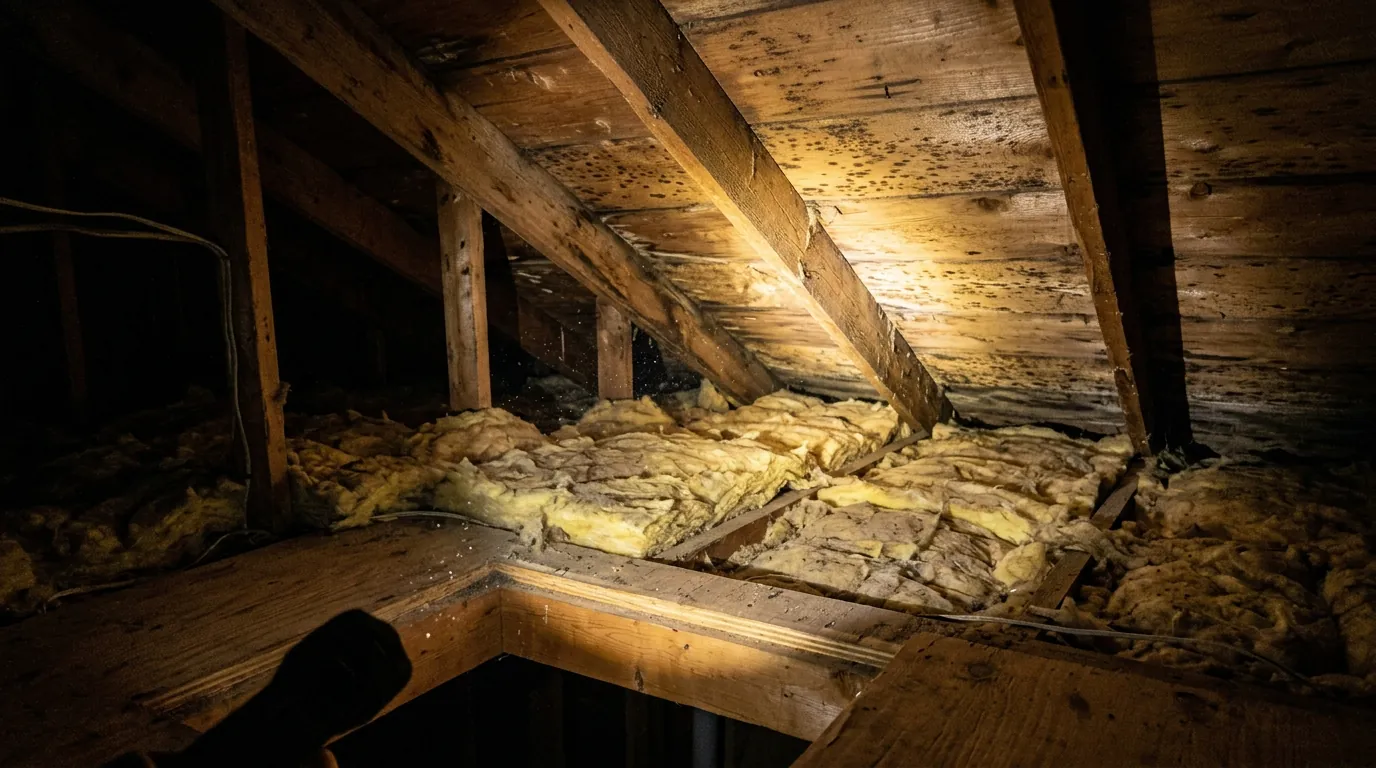
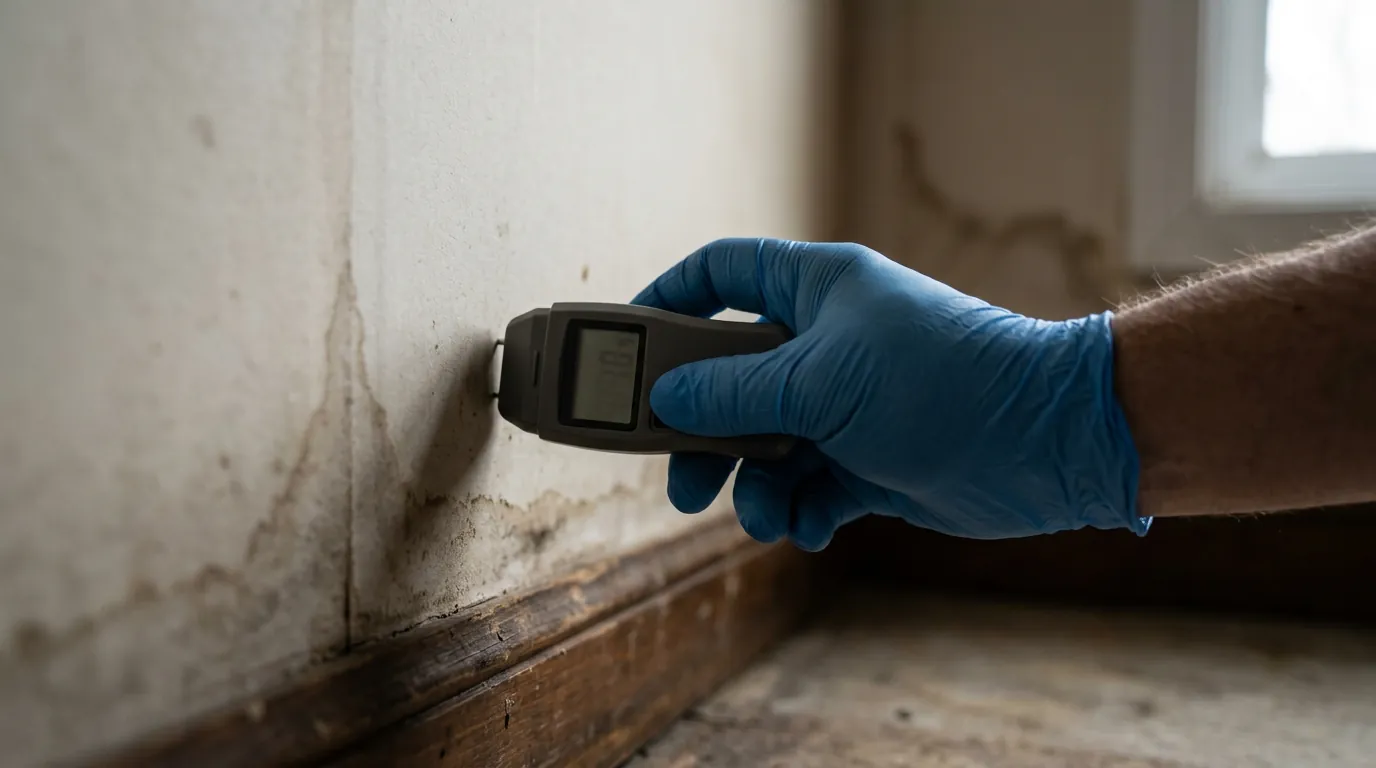
Cardston sits in the chinook belt's deep end — the gateway town to Waterton Lakes National Park, where warm mountain outflows meet heavy snowfall from the border ranges. Winters here are wetter than the Lethbridge flats by a real margin: more snow falls, the chinooks melt it faster, and the melt's destination is the nearest low edge, which on too many lots is the foundation. The town's housing ranges from settlement-era foundations through mid-century builds to the newer streets, and the older segments carry exactly the moisture history you would expect — basements that have answered a century of melt cycles, roof sheathing with its own record of ice-season staining, and window wells that have spent generations as small reservoirs during warm-wind thaws. Tourist-town housing also has shorter occupancy seasons: houses that sit partly empty through cold months ventilate differently, and vacancy quietly turns minor moisture findings into established colonies. Our Cardston work starts with an instrumented inspection — the attic's north face and the basement's outside walls are the usual two suspects — and every written report leaves you with the cause in black and white, not just the stain.