Taber's Own Moisture Profile
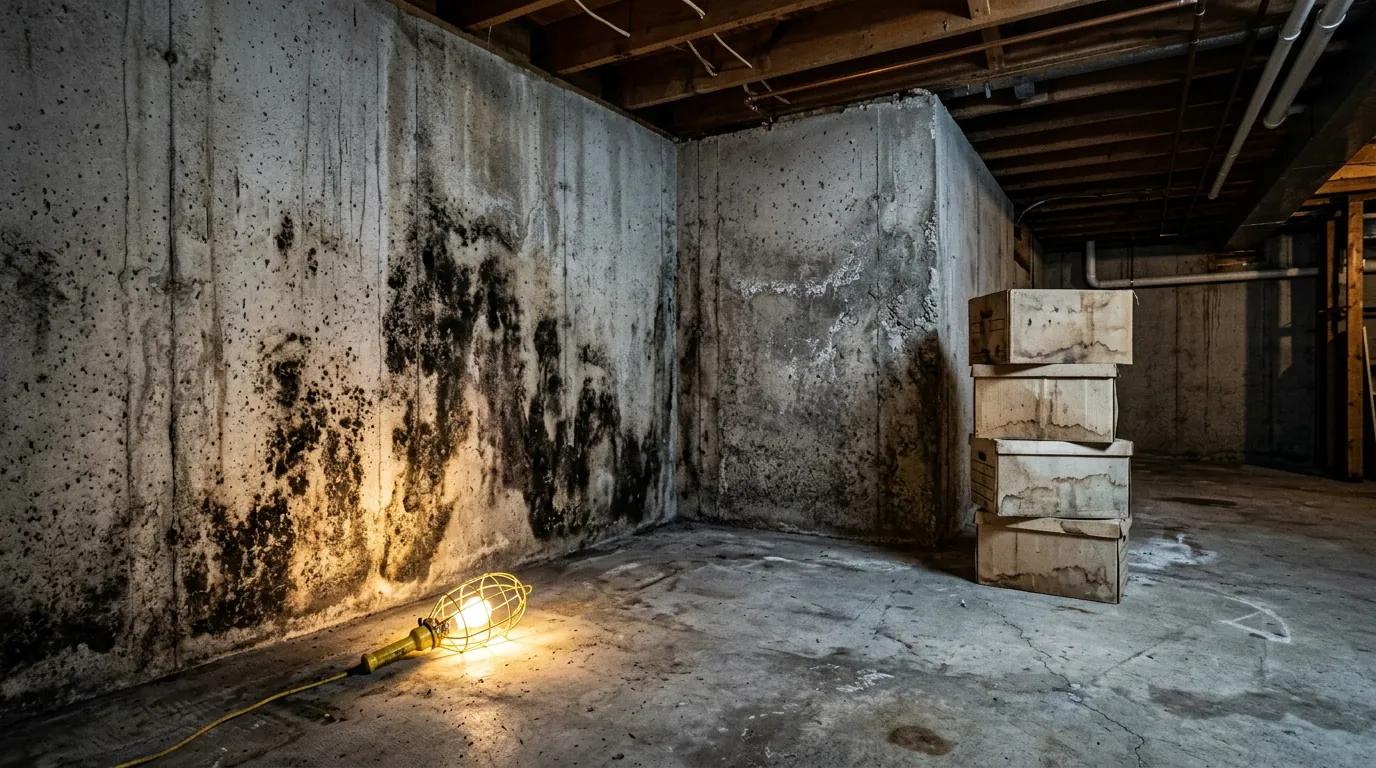
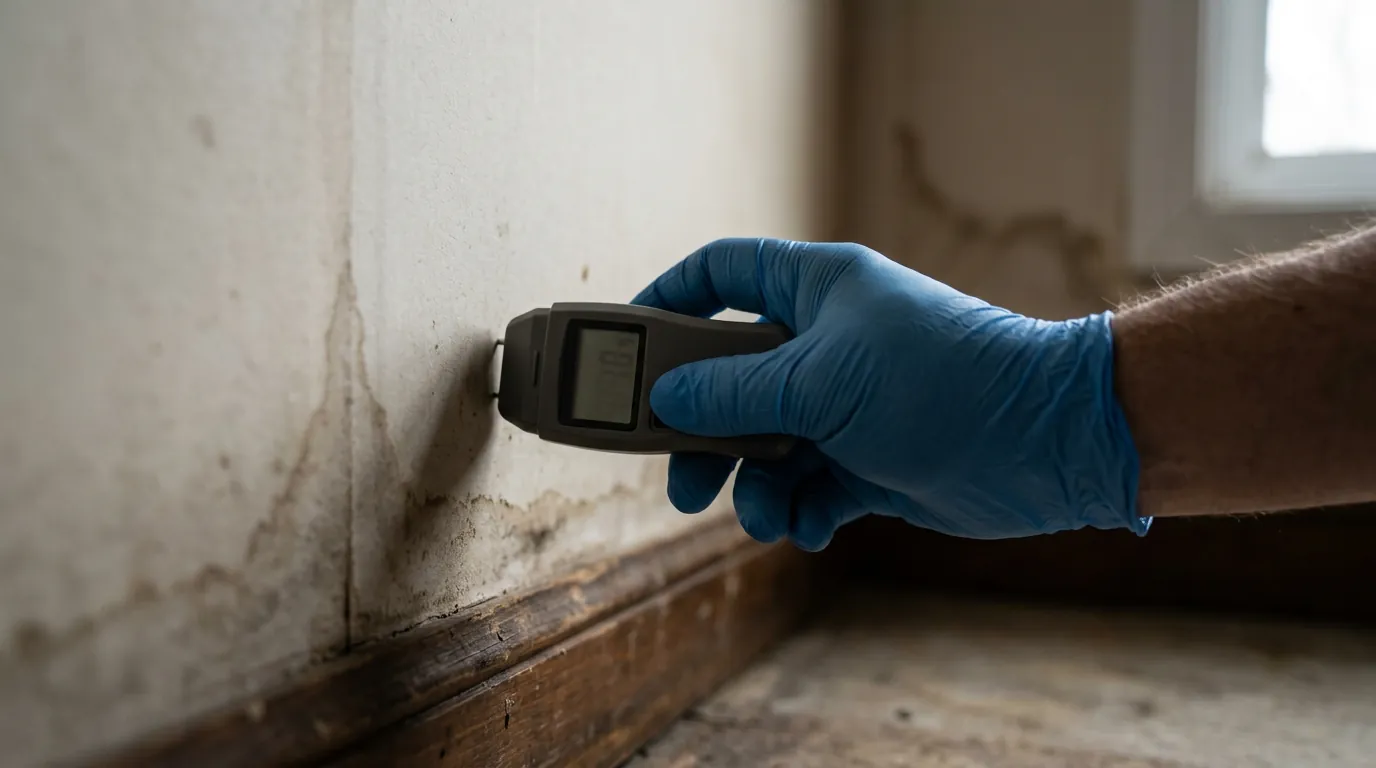
Taber is a town built by two things — sugar beets and irrigation — and both shape how its houses handle moisture. The mid-century boom that built much of Taber's housing stock sits on land that has been deliberately watered for a century: canals, drains and irrigated fields keep the surrounding subsoil loaded through the growing season, and flat prairie terrain gives meltwater and summer irrigation tail-water every opportunity to travel before it is absorbed. Meanwhile the chinook belt still owns the winters, so the town's houses ride the same melt-freeze-foundations cycles as Lethbridge, on soil that is wetter to begin with. The result is a distinctive Taber inventory: basement walls with long histories of springtime damp, window wells that double as small reservoirs during canal-fill and summer thunderstorms, and mid-century furnace-and-duct layouts whose condensation details were never modernized. Nothing about that list is mysterious or unfixable — it is simply invisible from the living space, which is exactly why we start every Taber job with an instrumented inspection rather than an opinion. Growth that has been quietly fed for a decade is a different project than a one-season problem, and the readings tell you which one you own before anyone prices the work.