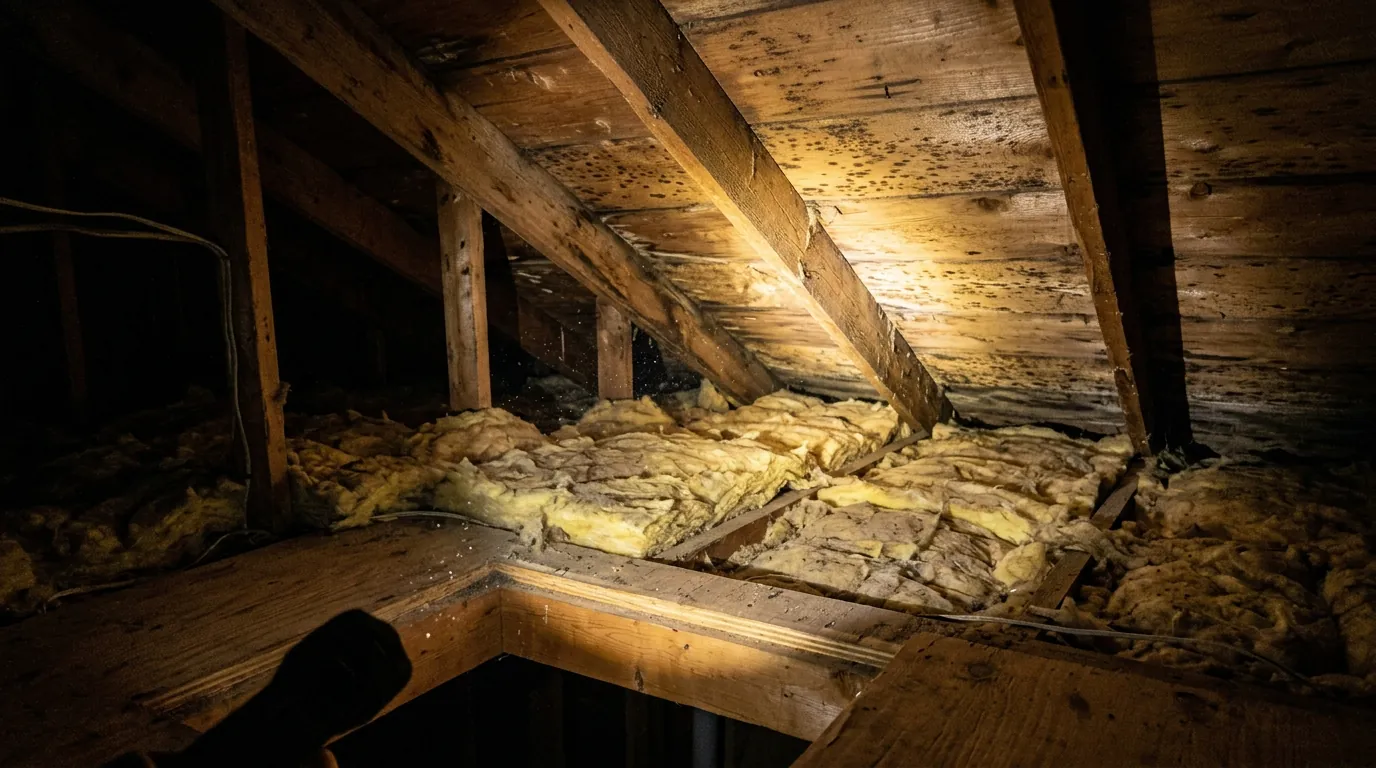
Pincher Creek's Own Moisture Profile
Pincher Creek sits where the prairie meets the east slopes — ranch country with the strongest sustained winds this side of the mountains. The windfarm capital of the region chose its location honestly: gusts here arrive with a force that Lethbridge's chinook belt only previews. For houses, that means weather in a different key. Driving rain at roof pitch, snow events that pile against the windward eave and drift into anything unsealed, and long cold snaps between warm foehn breaks — a wetter, colder, more violent winter than the flats. Pincher Creek houses answer with their own moisture signature: ice cycling on roofs that faces heavier snow loads, windward wall systems tested every season, attics whose venting gets scoured and snow-shut at the same time, and basements that meet spring melt on ground with a longer thaw tail than the city gets. Our inspection checklist for Pincher Creek starts with the windward side — the northwest- and southwest-facing walls and roof planes that take the weather — then works its way around to the sheltered side, where the moisture quietly concentrates instead. None of this is dramatic or unusual for the region; it is standard building physics responding to a very local climate. The value of an instrumented inspection is that it separates the wall problems from the roof problems from the venting problems, and prices each honestly.