A Mould Remediation Company That Understands the Chinook Belt
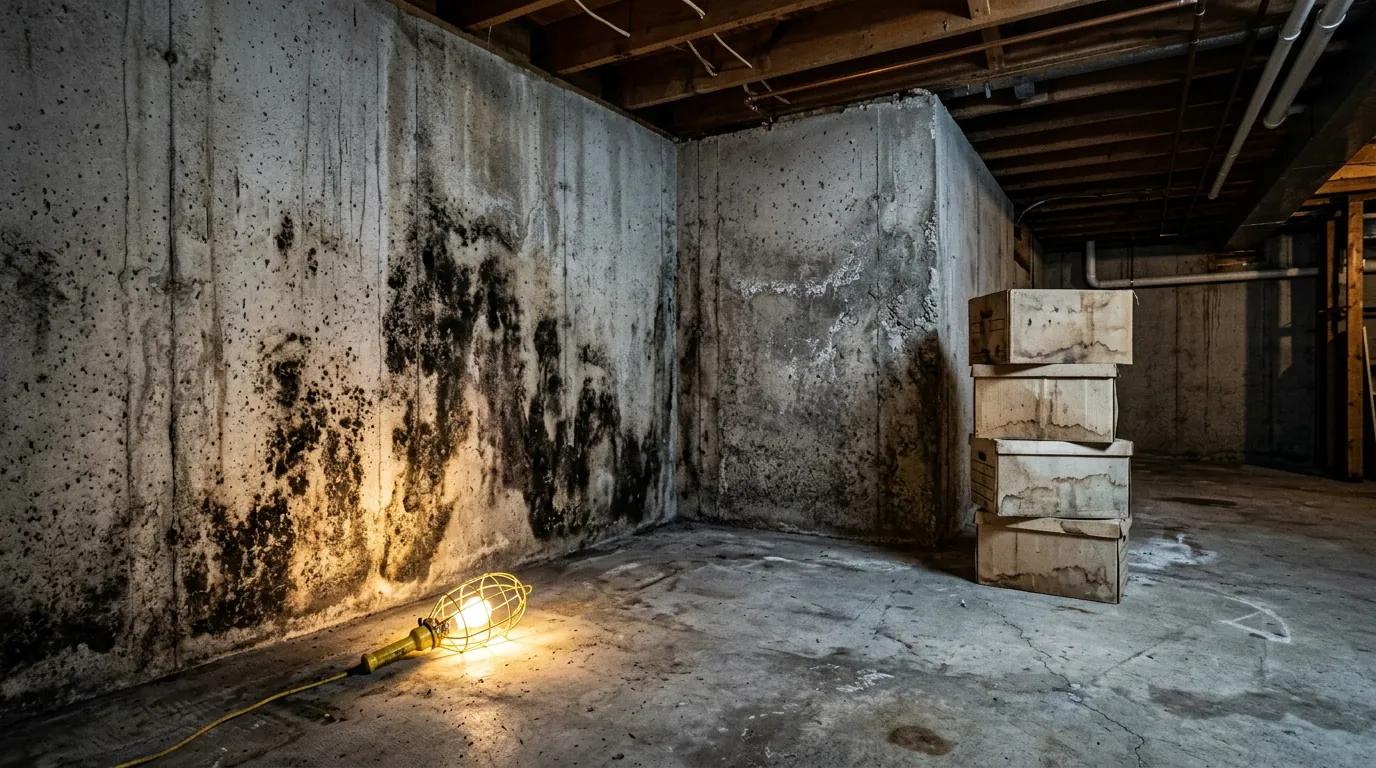
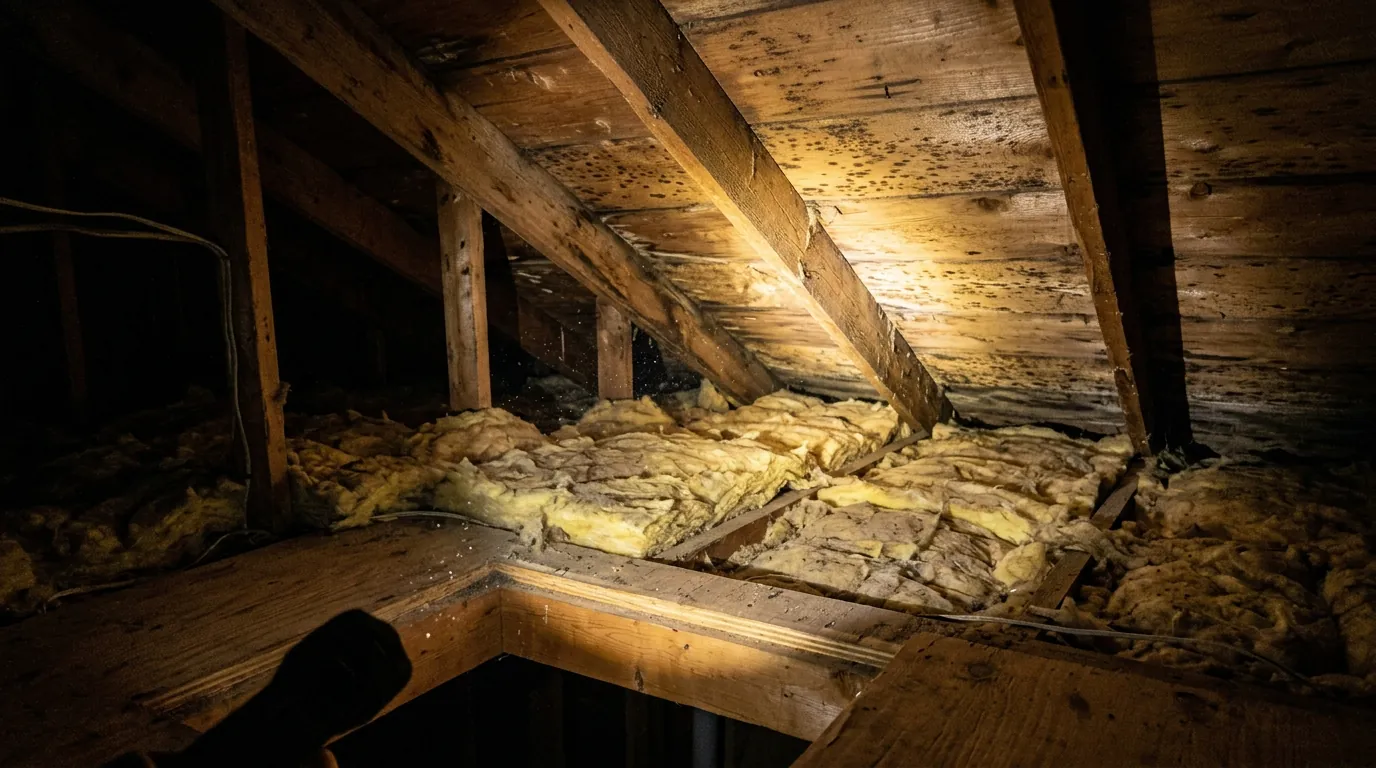
Lethbridge sits in one of the strangest moisture regimes in Canada. Winter is nominally the dry season here, but the chinook belt turns it into a rolling series of floods in miniature: snow accumulates for a week, a warm westerly wipes the eaves clean in an afternoon, then the mercury drops and every drip becomes ice. Your foundation rides through that cycle dozens of times a season, taking meltwater against the wall each time the thaw runs and frost heave cracks fresh hairline seams each time it re-freezes. Meanwhile the roof cycles through melt-and-glaze days that build ice along the eaves — and ice build-ups push meltwater back under the shingles, where it soaks the sheathing and runs down the cavity. Most moisture damage in this city is a winter problem, which is exactly why it is so often discovered late.
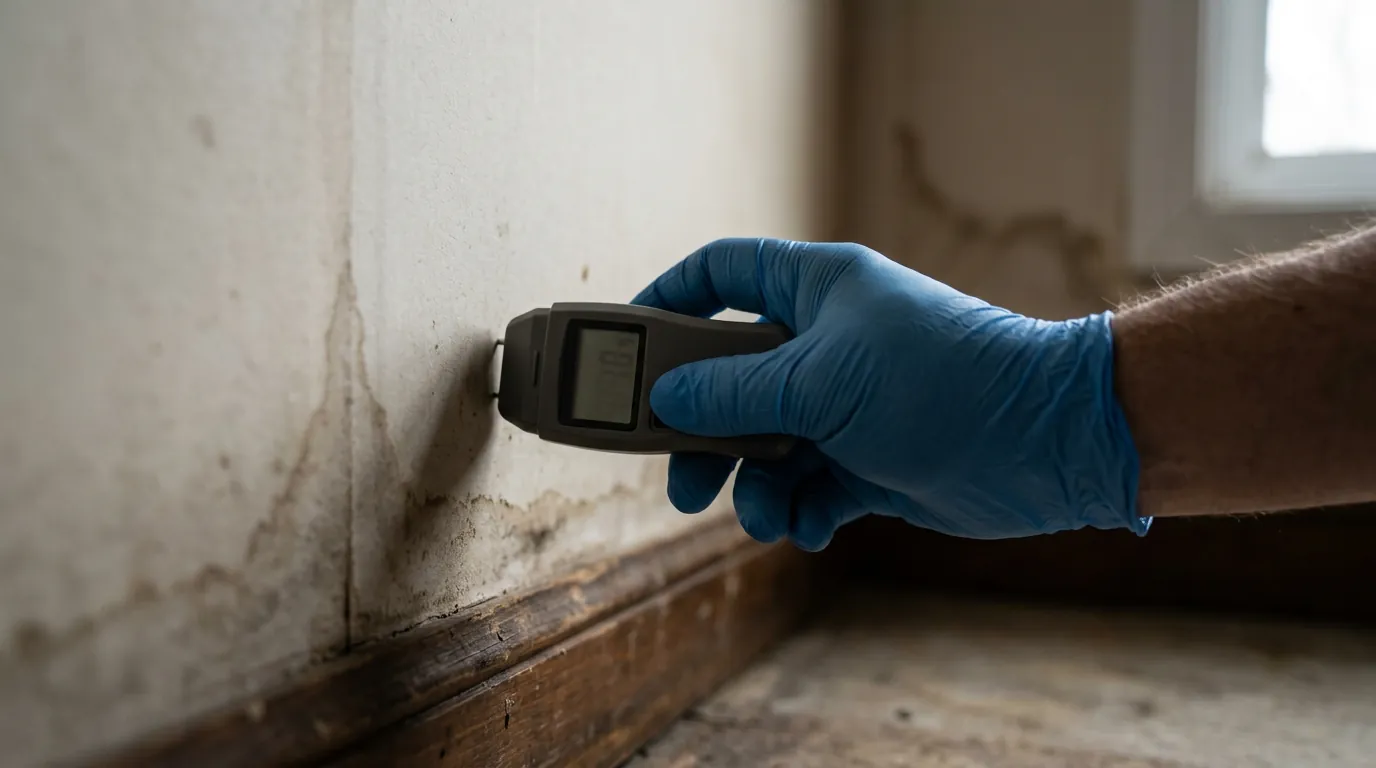
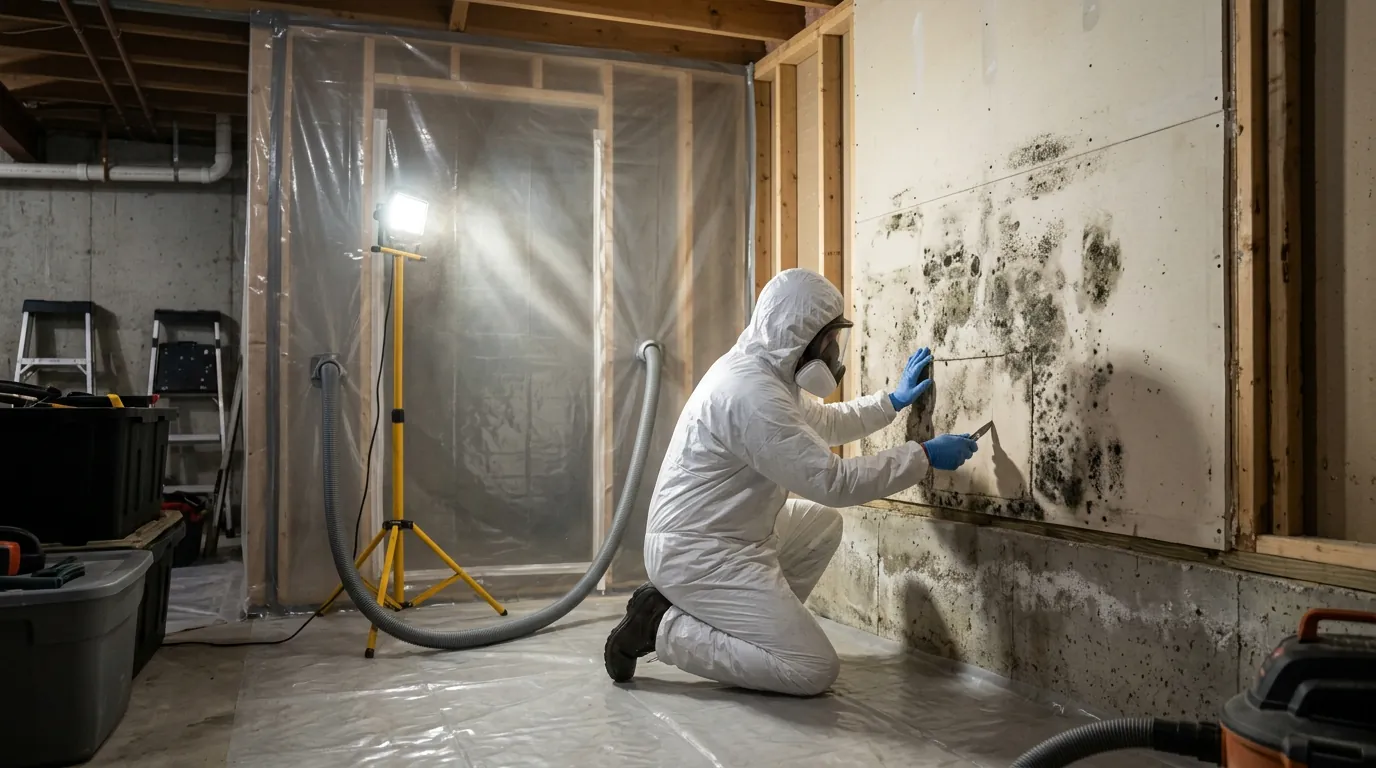
Good remediation has to answer two questions together: what is growing, and what keeps re-wetting the assembly. Our work opens with instruments rather than guesses — thermal images that show where dampness hides and meter readings that map its edges — then closes in one contained sequence: removal, treatment, and a written diagnosis of the cause. We cover every quadrant of the city and the towns that ring it, from Coaldale and Picture Butte on the irrigation flats to Taber, Raymond and Cardston to the south and Fort Macleod, Pincher Creek and Claresholm to the northwest.
One musty corner and a gut-rehab job are handled with the same care and documentation; only the scale changes. When the assessment wraps up you will know precisely where the growth sits and how far it extends, and the quote for correcting it arrives with the findings — written down, with all the time you need to choose next steps.
Get a Written Quote