Instruments Before Opinions
Mould in a Lethbridge house is usually discovered backwards: someone smells it, someone paints over it, and a year later it is back through the paint. The reason is simple — the visible stain is the end of the story, not the beginning. The growth you can see is drinking from a moisture path you cannot, and until the path is mapped, every cleanup is a placeholder.
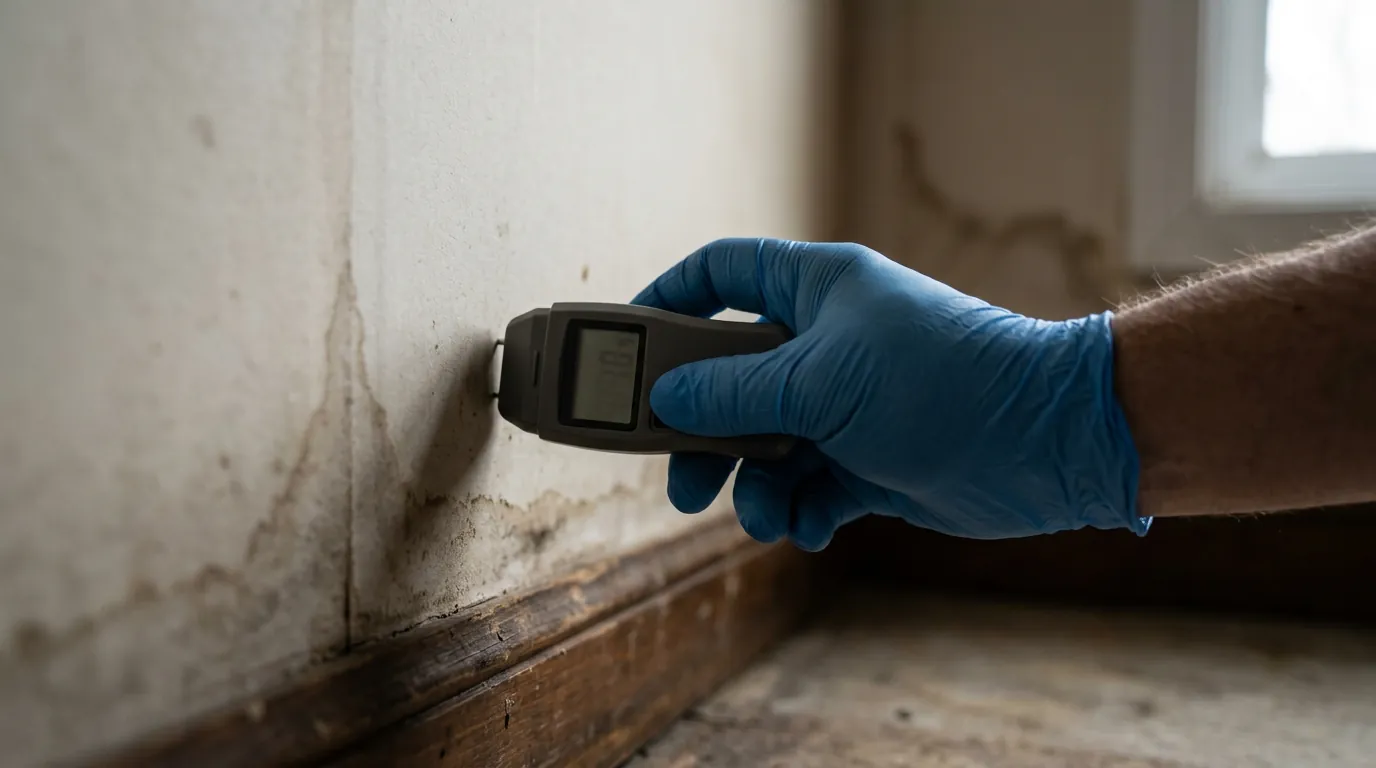
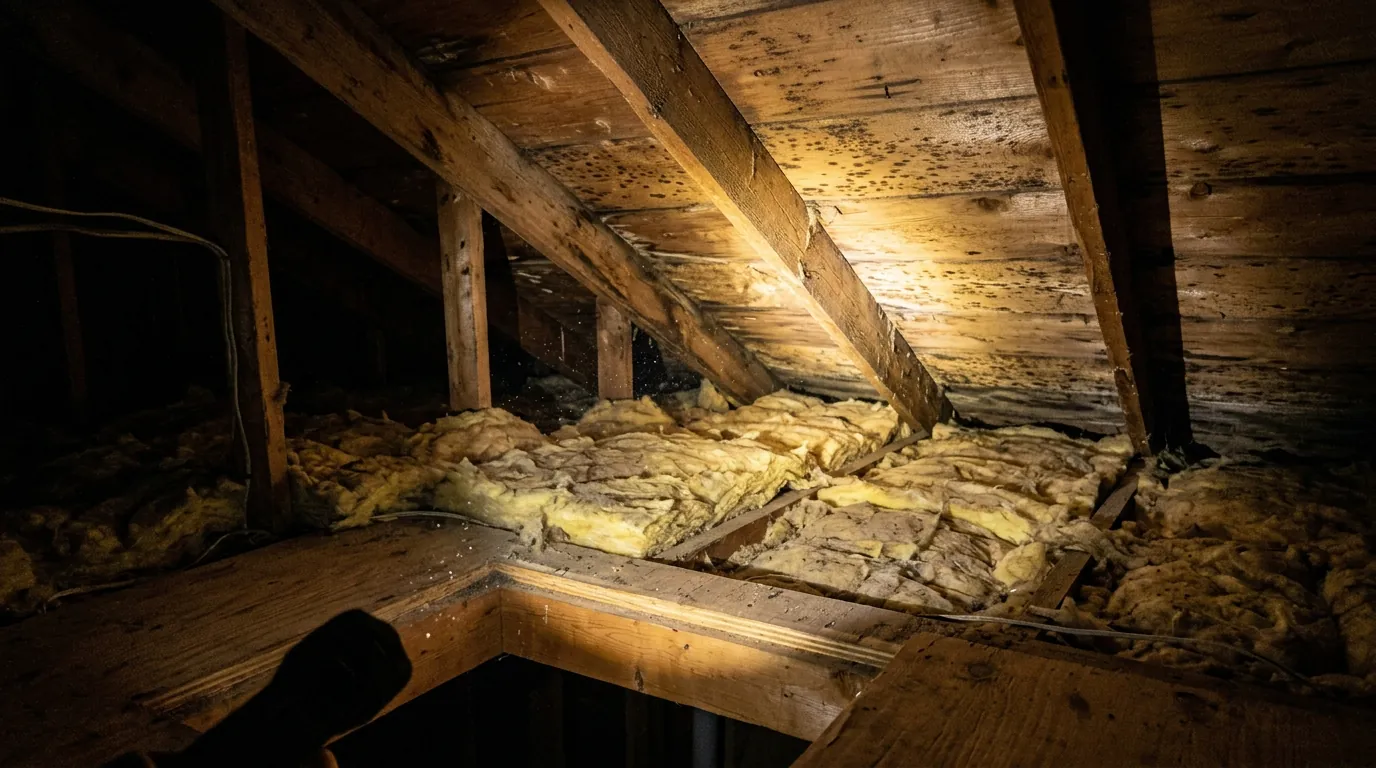
That is what the inspection is for. We walk the house the way moisture travels: basement or crawl space first, then bathrooms and laundry, then the attic, then the outside — grading, downspouts, window wells, and the soffit and roof vents that decide how your attic breathes through chinook season. Along the way we take thermal images, which reveal the cool fingerprints dampness leaves behind finishes, and moisture meter readings on drywall, framing, floors and window openings. Where the readings justify it, we add an air sample and read it against the outdoor baseline for context.
Set aside sixty to ninety minutes for the visit; the whole thing is non-invasive — no part of the house gets opened unless the instruments call for it. What you keep afterwards is a written report: photos, scans, readings, every moisture path we traced, and where growth is confirmed, a scoped remediation plan priced in writing.